Easter Customs and Traditions in the Belec Region
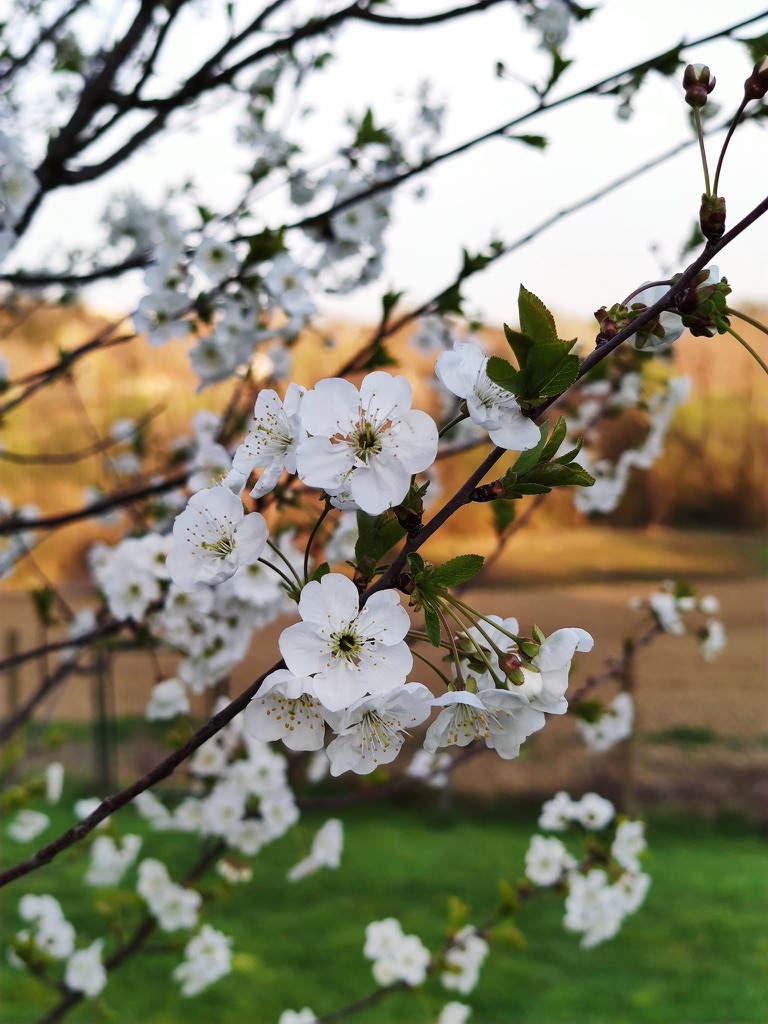
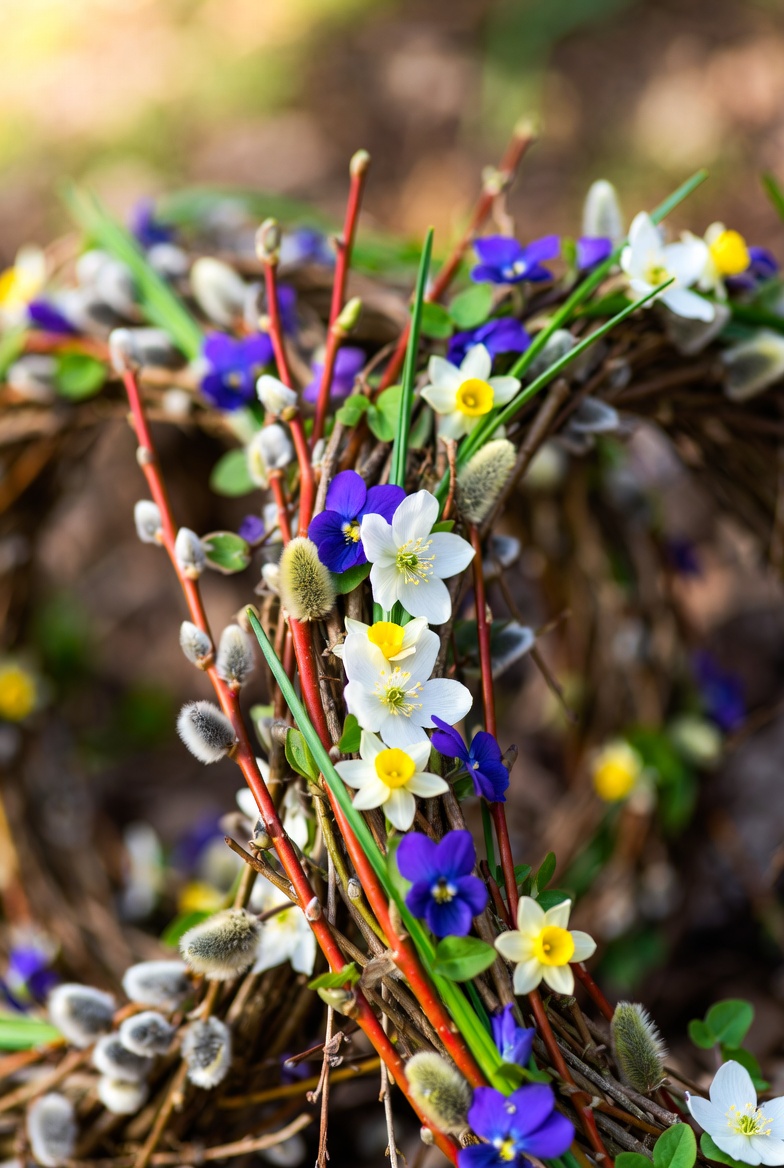
Palm Sunday, also known as Flower Sunday or the Sunday of the Passion of the Lord, marks the beginning of Holy Week and the start of the most profound spiritual period of the liturgical year. In northern Croatia, where there are no palms or olive branches, people bring bundles called “pušleki” to the blessing at the Parish Church of Our Lady of the Snow. These bundles are made of local plants such as cornelian cherry, willow, hazel, and spring flowers. According to local beliefs, the blessed flowers are brought into homes to protect the house from storms, misfortune, and illness, and to bring peace, prosperity, and God’s blessing throughout the year.
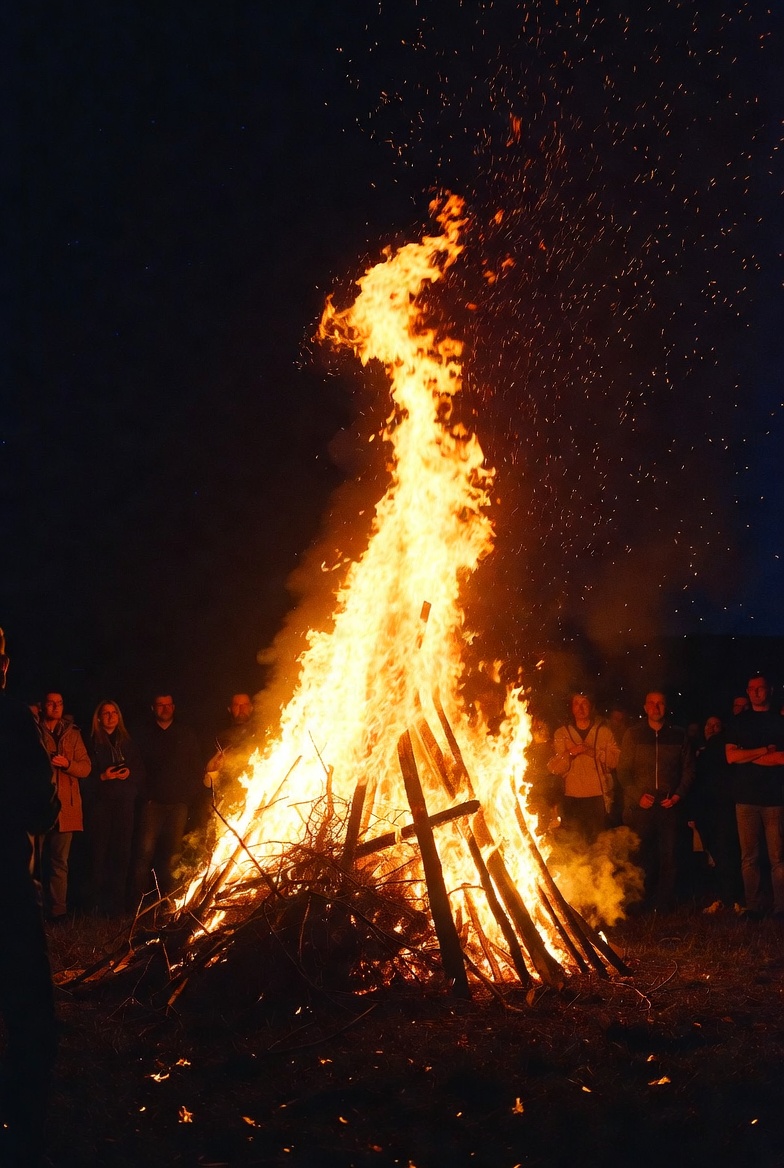
In the following days, the whole area gradually shifts from everyday life into silence and reflection. The Last Supper is commemorated on Maundy Thursday with the Mass of the Lord’s Supper, marking the beginning of the Easter Triduum. Good Friday is a day of remembrance of Christ’s Passion and a day without Mass. The parish church remains open, and members of the Belec Volunteer Fire Brigade stand guard in ceremonial uniforms, watching over the Tomb of Christ. The calm of Good Friday slowly turns into anticipation and joy by Saturday evening. In the church, the fire is blessed, the “guba” is lit, holy water is blessed, and the Easter candle is lit. This begins the Easter Vigil, which continues outside the church with locals gathering around Easter bonfires called “vuzmenjaks,” marking the start of Easter celebrations.
On Easter morning, baskets with food are brought to the church for blessing. They contain symbolic homemade items: bread, spring onions, cooked ham, and eggs in modest quantities — just enough for each family member to taste a piece of the blessed food before the main Easter meal. Every crumb is treated with care, and non-edible remains, such as eggshells, are traditionally burned in the fire.
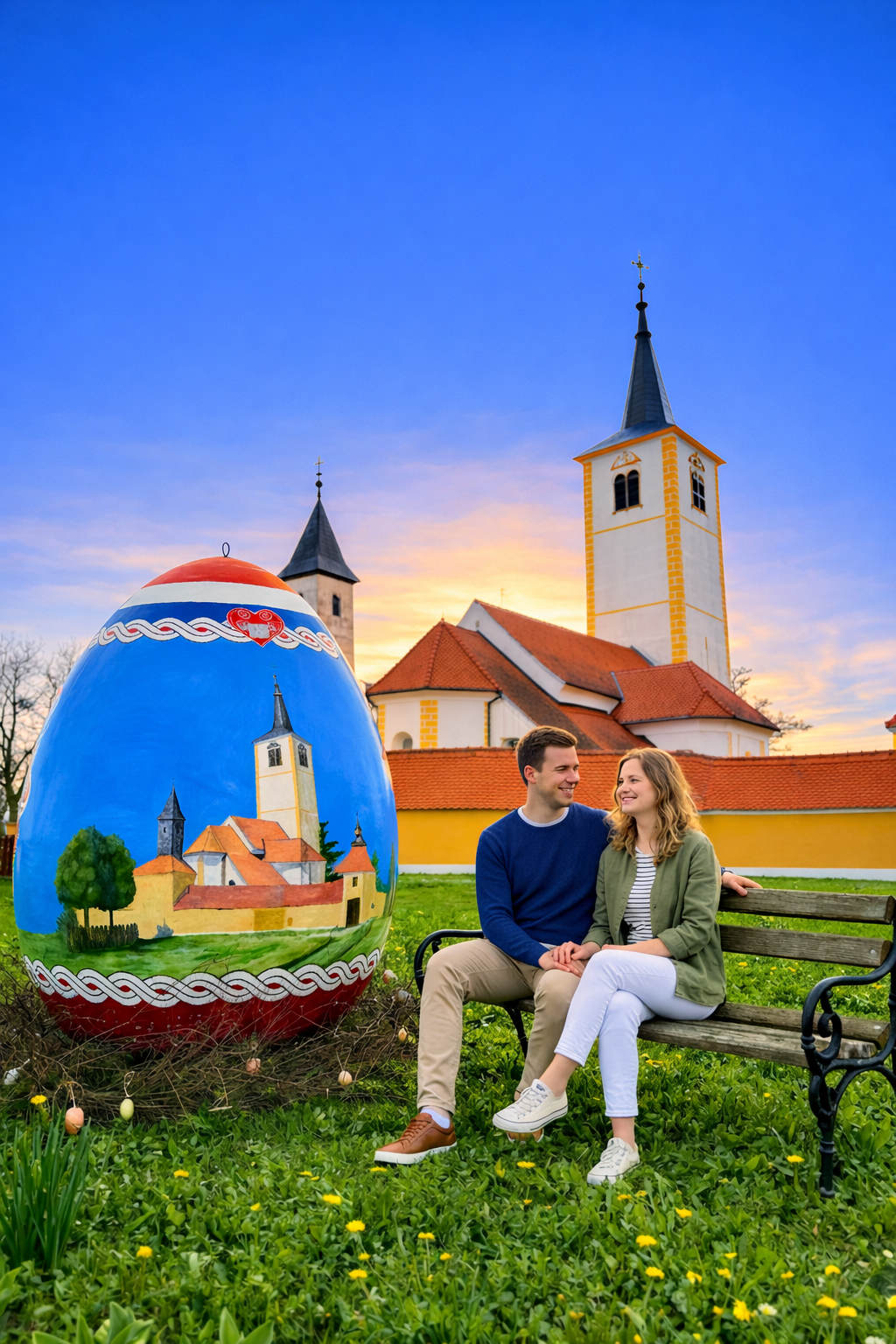
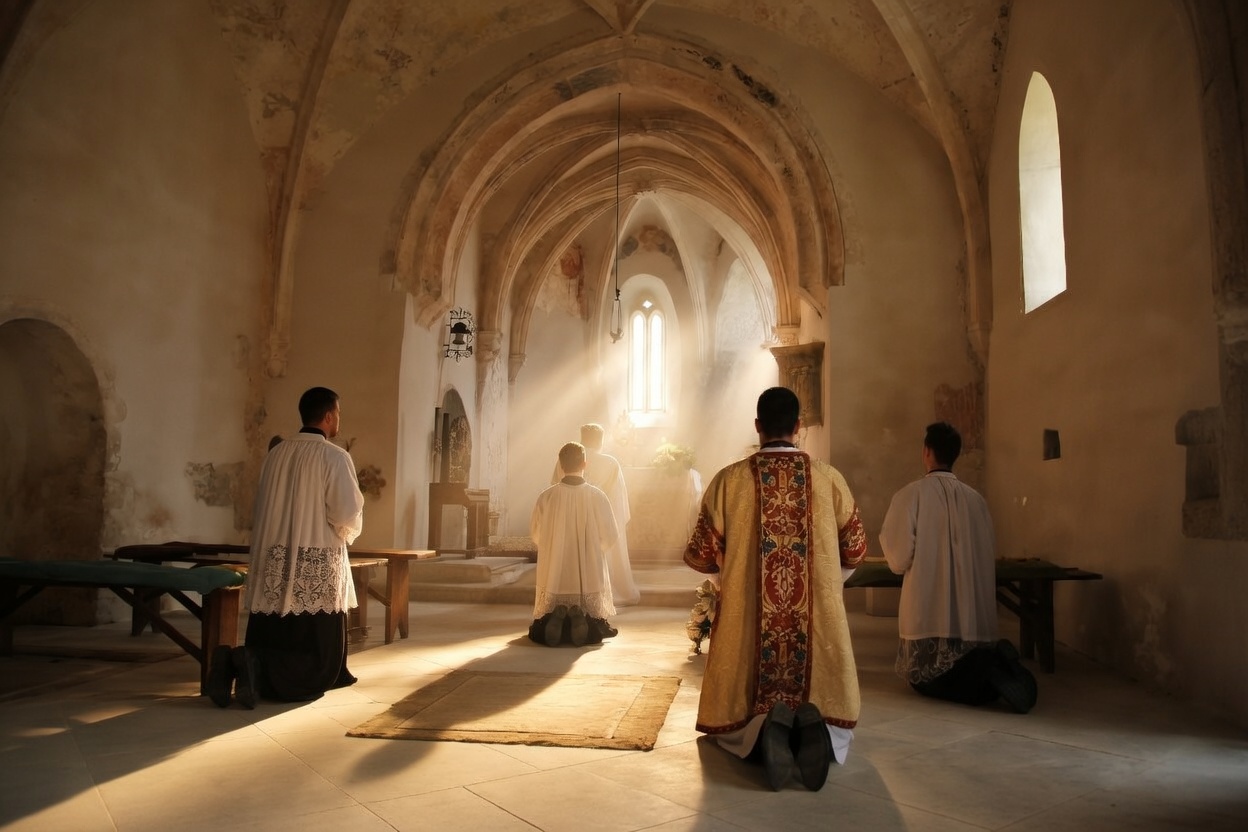
After the rich Easter table featuring roasted turkey, duck, or suckling pig with mlinci, boiled eggs, ham, horseradish, bread, spring onions, and walnut or poppy seed rolls, people gather around the Chapel of St. George, the former parish church from the 13th century. From there, usually at 3 or 4 PM, a solemn procession (“prešencija”) sets off toward the current Parish Church of Our Lady of the Snow. The procession includes relics, brass band, parish choir, girls in white, members of the Belec Cultural and Artistic Society in traditional costumes, firefighters, and other locals. In recent years, the procession begins with the sound of traditional kubura gunshots.
Historical Background
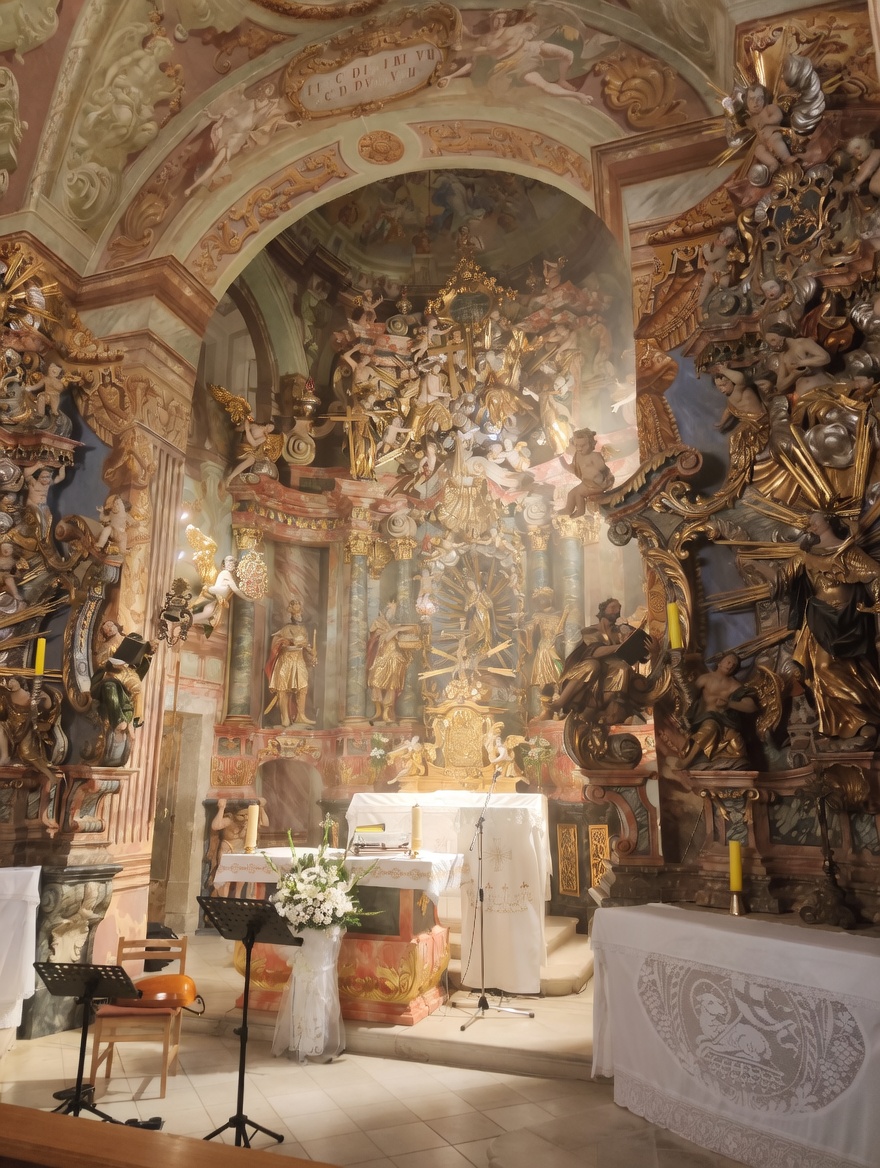
Belec is a place where history is part of everyday life. The Chapel of St. George is mentioned as early as 1242, and the parish has been recorded since 1334 in the Diocese of Zagreb. The current Parish Church of Our Lady of the Snow was built in the 18th century in rich Baroque style and remains the spiritual and social center of the area. The special charm of this region lies in this continuity — the same customs, traditions, and rhythms of community have been passed down for centuries.
For up-to-date information about Masses, processions, and events, the parish is active online through its website and Facebook page.
Between Christianity and Nature
Local customs also reveal layers of older, pre-Christian beliefs. Fire, water, greenery, and flowers have always symbolized renewal, protection, and new beginnings. Christian tradition adopted these elements over time and gave them new meaning. Today, different layers — spiritual, natural, and folk — come together in the same gestures, creating the authentic traditional character of the Belec region.
Dushka Between Tradition and Nature
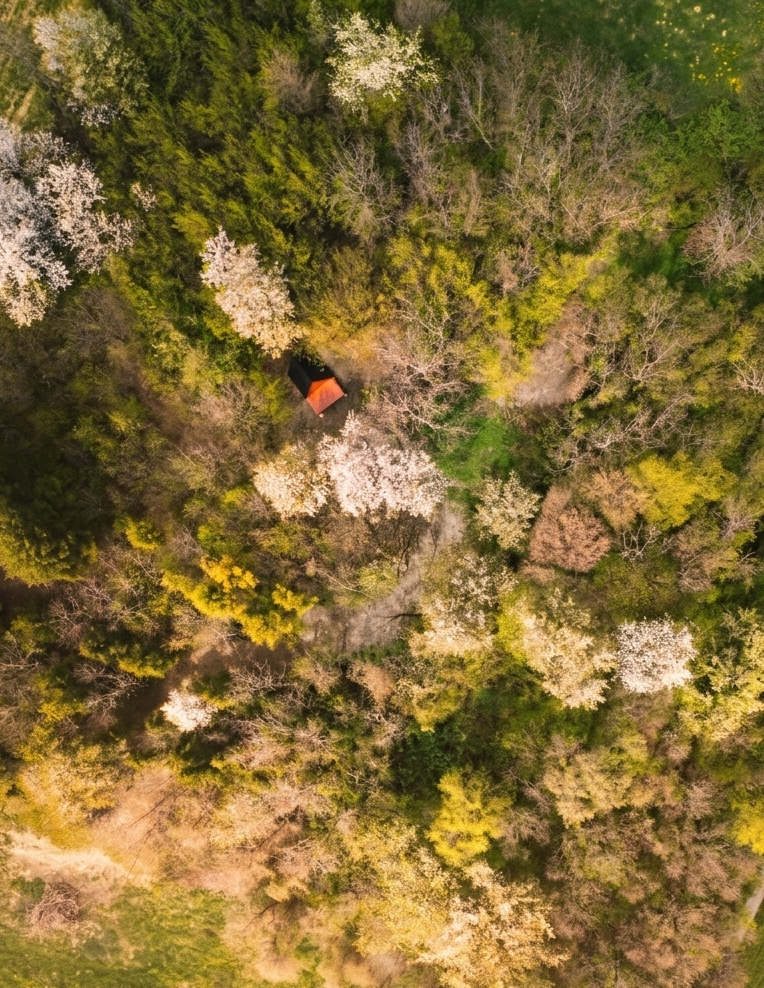
In all of this, Dushka does not feel separate, but rather as if it has always belonged here — between history, tradition, local customs, the rhythm of the community, and the timeless, almost magical nature.
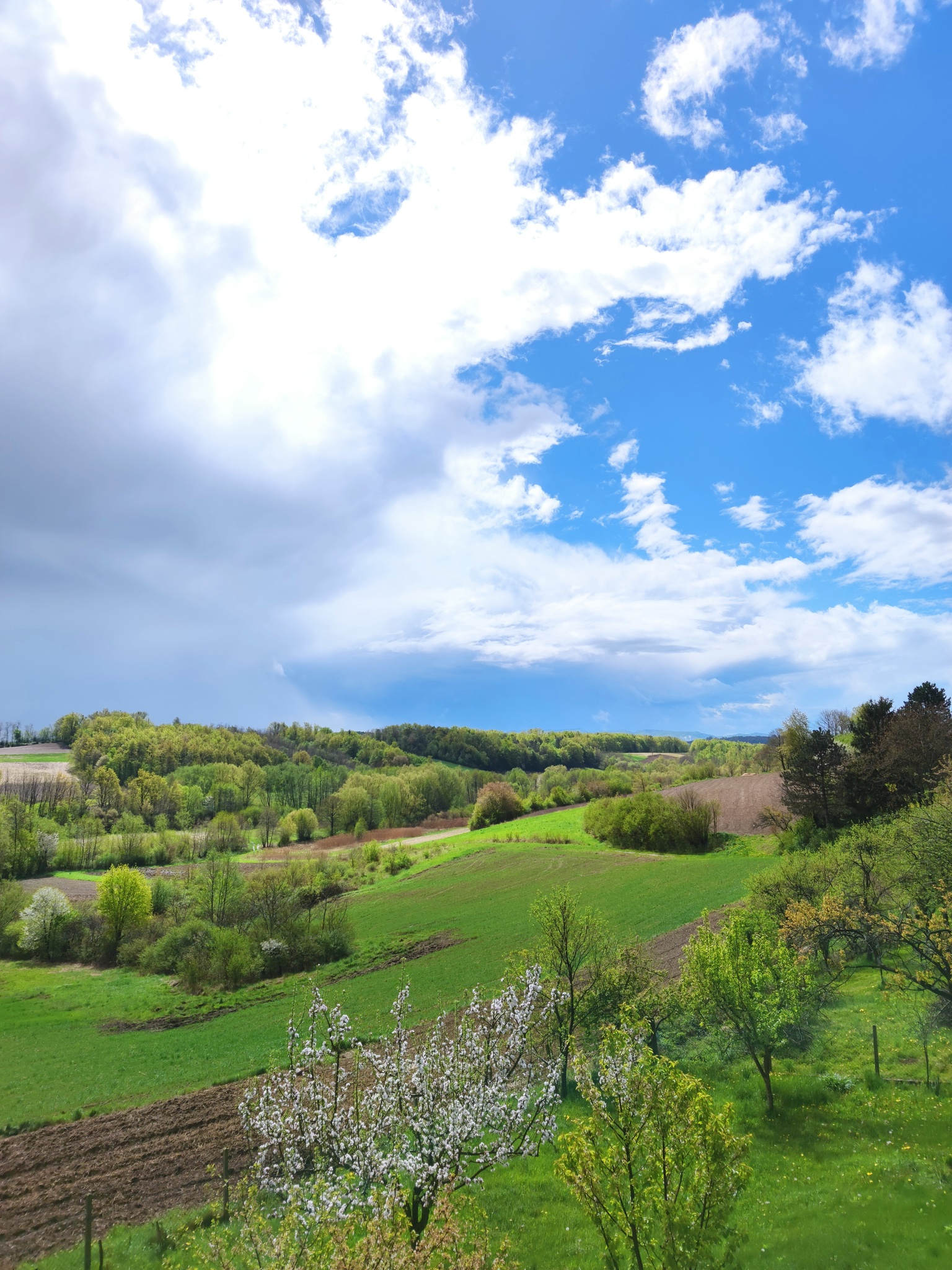
During Palm Sunday and Easter, this is especially noticeable. There is no need to chase events. The morning begins quietly, with light filtering through the forest and views toward Ivanščica. The day flows at its own pace. A little walk, a little silence, and when the moment feels right, you walk down to the village and experience customs that have been lived here for centuries.
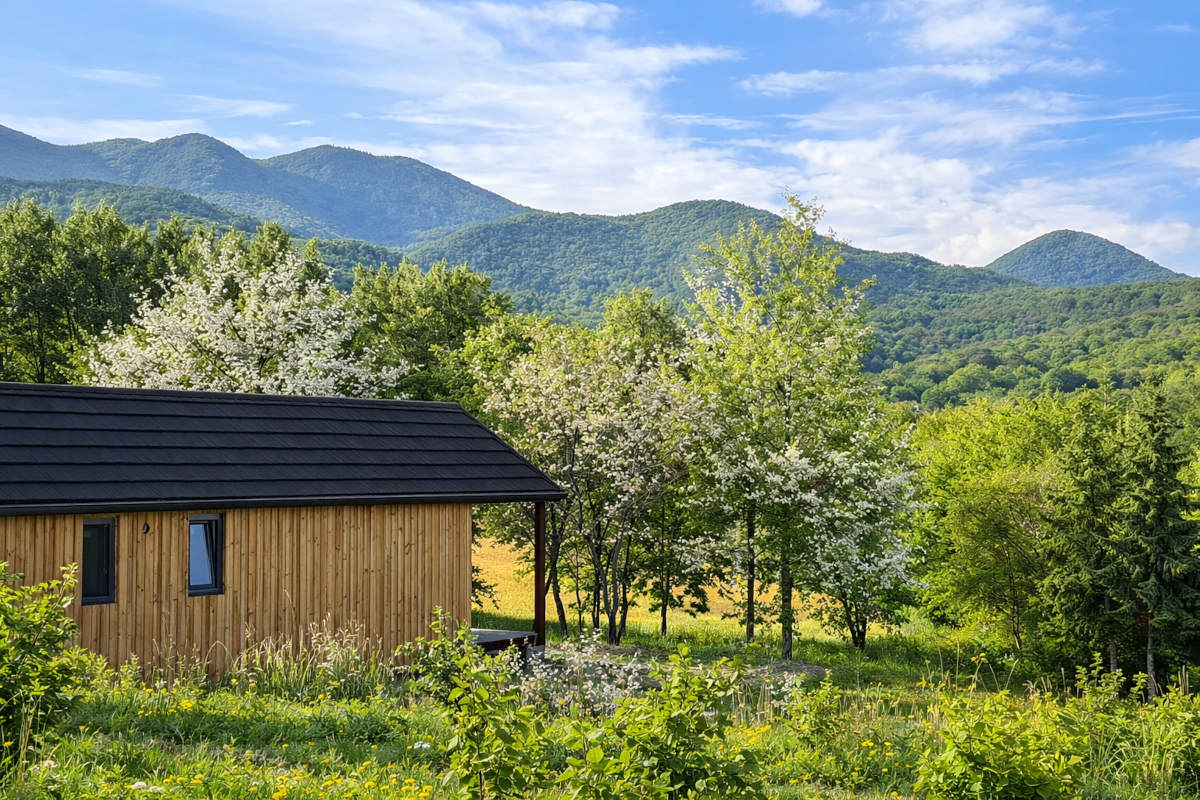
And then you return.
That return carries its own weight. After the procession, the joy, the sound of kuburas and gathering around the fire, Dushka allows you to calm down, let the impressions settle, and keep that moment with you forever.
Perhaps that is the point of staying at Dushka — to always find balance, not having to choose between peace and life, but having both at the same time.
That is why it is so easy to feel here that you are exactly where you belong.
Conclusion
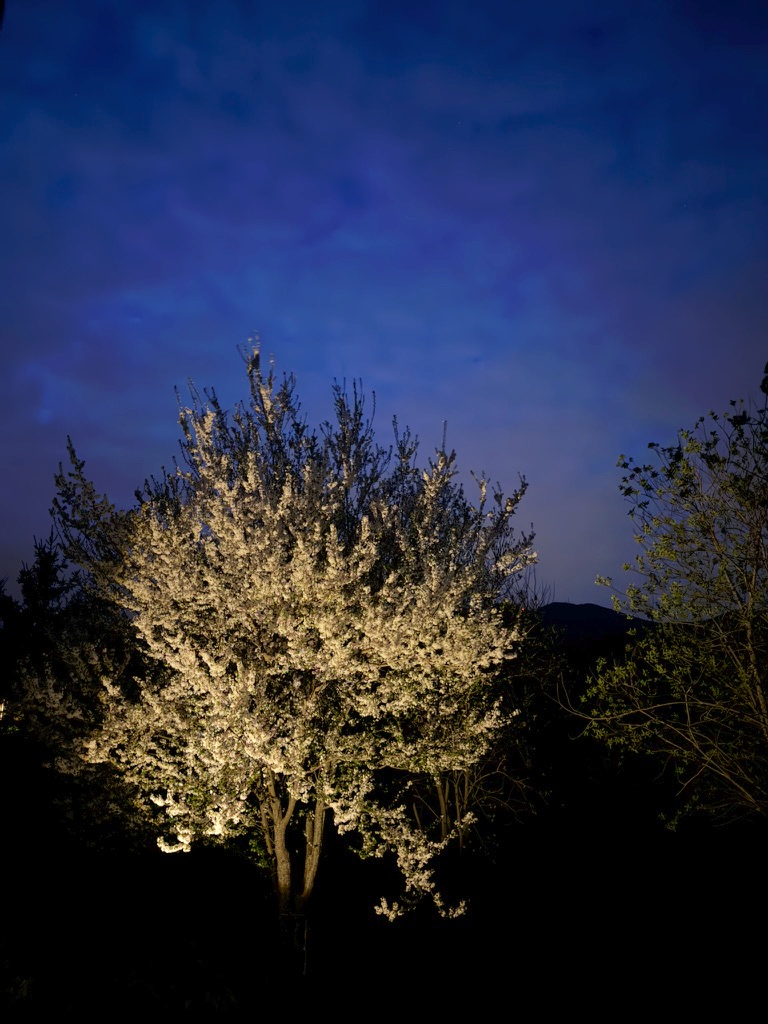
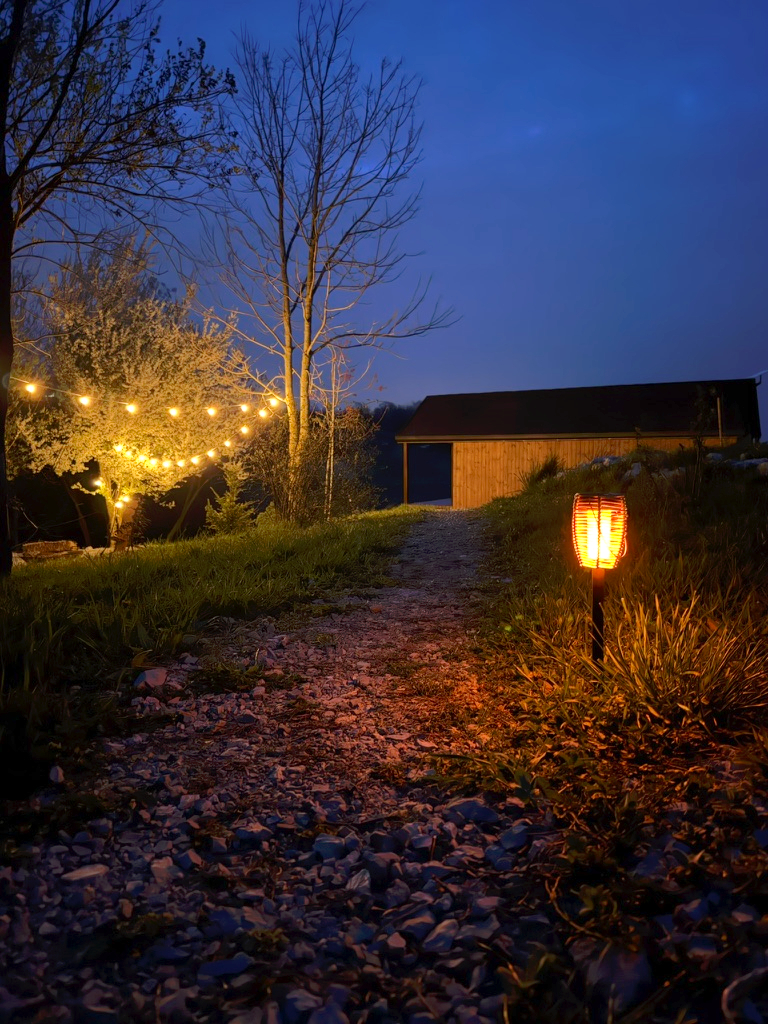
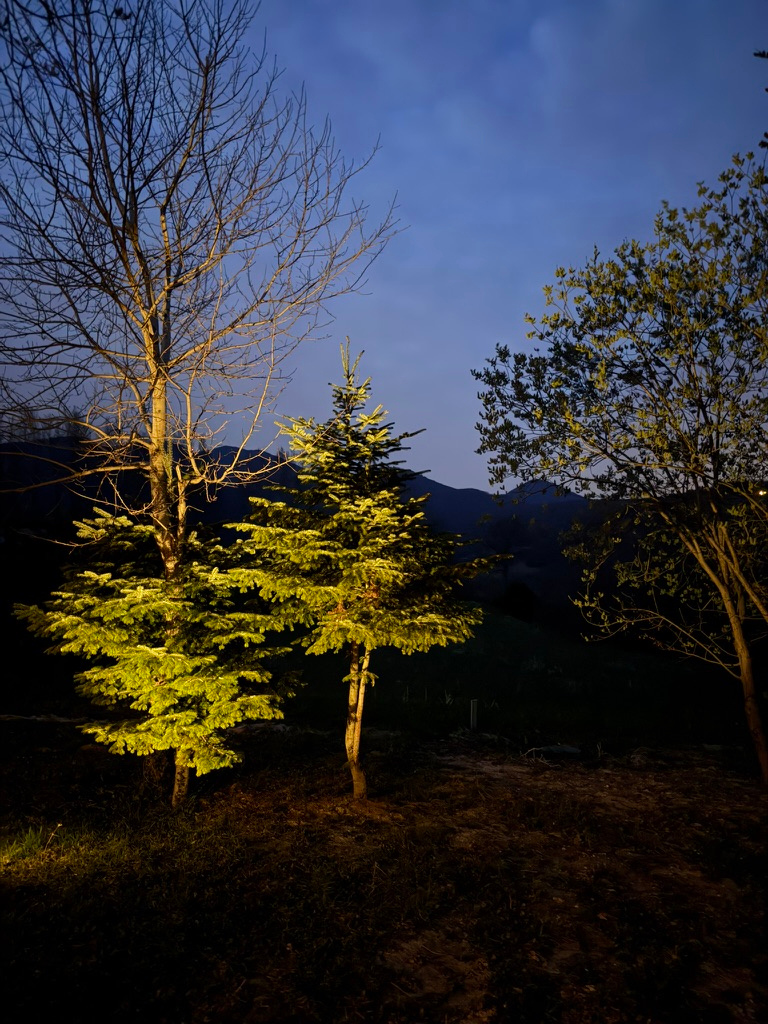
Easter in Belec is not just a holiday, but an experience of continuity: of faith, community, space, and nature. And Dushka is the ideal place from which this continuity can be felt in the quietest and deepest way. Here, spring is not only a season, but a state of being. And perhaps that is why a stay at Dushka remains with you long after you return home.